
Insights · Whimislaw Brief
Cross Border Disaster Mitigation Demands Advanced Cryospheric Monitoring
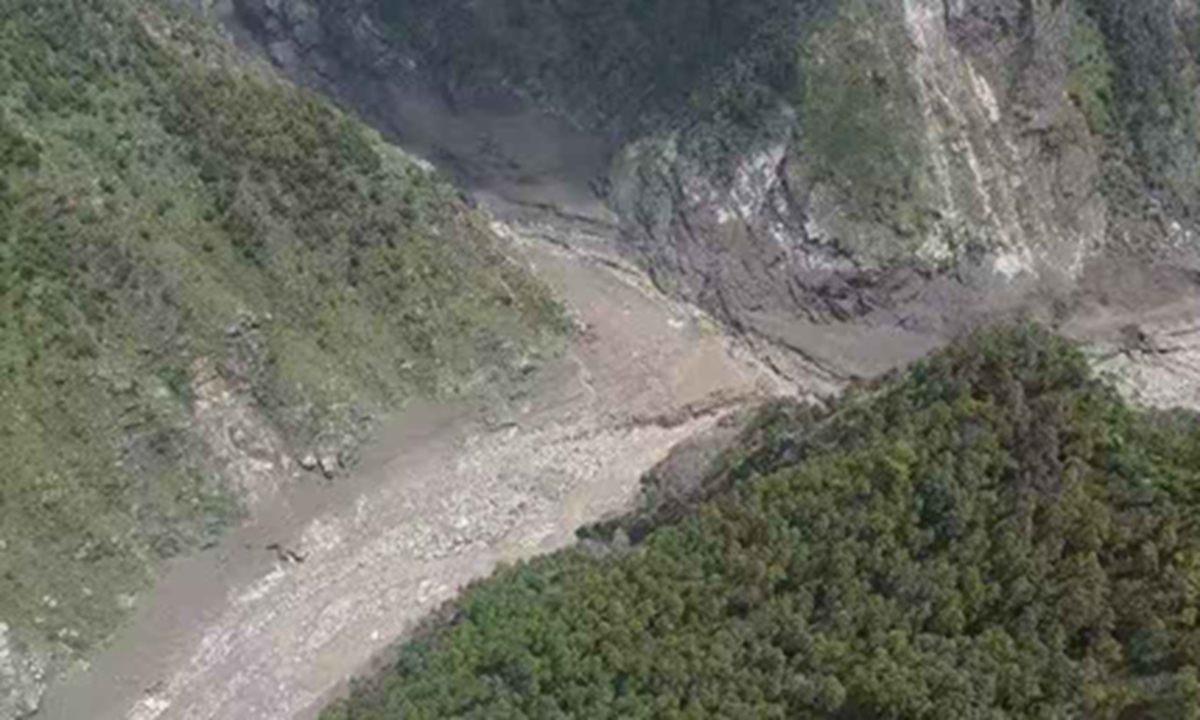
The devastating mudslide that struck Gyirong Port, triggered by a high-speed ice avalanche originating in Nepal, underscores the compounding vulnerabilities of cross-border ecological hazards in high-altitude environments. With a staggering initial casualty and missing toll involving over 550 individuals, the catastrophe highlights the terrifying velocity of climate-driven cryospheric events. Traveling at speeds reaching 50 meters per second and cutting across a destruction path extending more than 20 kilometers, the high-velocity debris flow offered virtually zero reaction window for local communities and infrastructure.
As detailed in coverage by People's Daily, the disaster left behind a critical barrier lake holding approximately 2 million cubic meters of water storage, with meteorological forecasts projecting an additional 3 million cubic meters of rainfall inflow over a three-day cycle. Such catastrophic breach risks demand immediate transboundary coordination, real-time hydrological telemetry, and high-frequency satellite remote sensing. Managing these risks across the Qinghai-Xizang Plateau requires robust regional early-warning systems, structural reinforcement of port facilities, and a 100 percent commitment to joint disaster mitigation protocols between neighboring nations to safeguard human lives and economic corridors against escalating climate volatility.
News source: https://peoplesdaily.pdnews.cn/china/er/30053031894
Take the next step
Book a Founder Strategy Call